The conversation around premature ejaculation (PE) has evolved dramatically over the past decade, moving from a quiet clinical concern to a topic that’s openly discussed in both medical journals and mainstream media. What drives this shift? It’s largely thanks to a new class of medication that offers quick relief without the long‑term side effects associated with older antidepressants. Dapoxetine, an on‑demand selective serotonin reuptake inhibitor (SSRI), has become the headline drug in this arena.
While many men still grapple with PE in silence, the rising availability of dapoxetine—and its growing body of evidence—has empowered both patients and clinicians to take a more proactive stance. The Australian Therapeutic Goods Administration (TGA) approved the drug in 2010, yet it remains unsubsidised by the Pharmaceutical Benefits Scheme, making cost an important consideration for those seeking treatment.
In this article we dive into how dapoxetine works, compare it to traditional SSRIs and other therapies, and explore what patients can expect when opting for on‑demand dosing. We’ll also highlight practical tips for safe use and discuss the latest research that shapes today’s prescribing practices.
Mechanism of Action: Why On‑Demand Matters
Dapoxetine distinguishes itself from conventional SSRIs by its rapid absorption profile—peaking in just 1–3 hours after ingestion. This swift onset aligns perfectly with the timing required for sexual activity, allowing men to take a single dose approximately half an hour before intercourse.
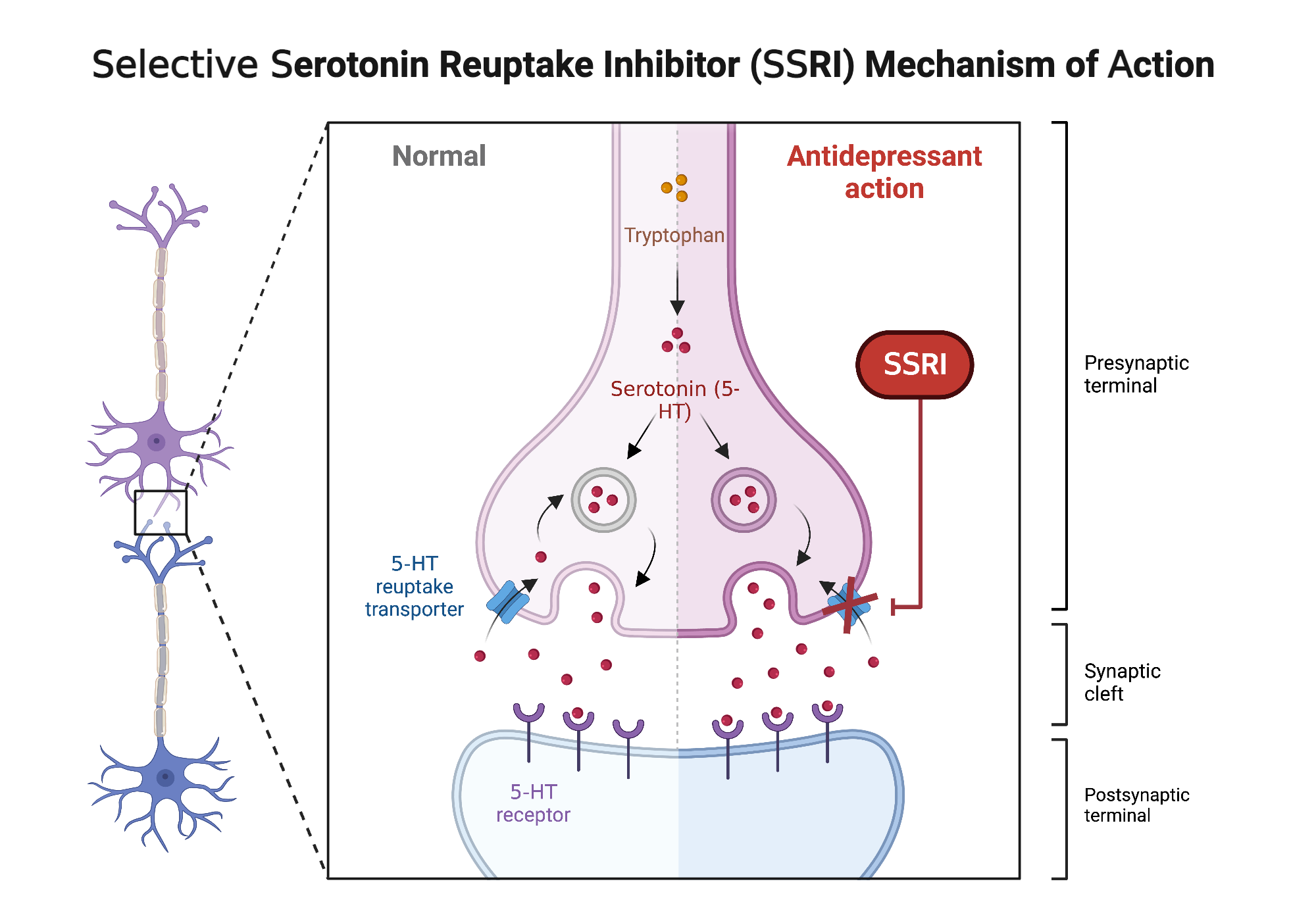
By blocking serotonin transporters (SERT) in the central nervous system, dapoxetine increases synaptic serotonin levels, which delays ejaculation through modulation of the serotonergic pathways that govern reflexive release. Unlike daily SSRIs that maintain elevated serotonin throughout the day, on‑demand dosing keeps the drug’s influence concentrated around sexual encounters.
Clinical trials have shown an average increase in intravaginal ejaculatory latency time (IELT) of about 2.5–3 minutes with dapoxetine. While this might seem modest compared to daily SSRI regimens—where IELT can rise up to ninefold—patients often prefer the convenience and reduced risk of cumulative side effects.
Side‑Effect Profile: A Balancing Act
The most common adverse events reported with dapoxetine include nausea, dizziness, and headache. These symptoms are generally mild and transient, resolving within a few hours post‑dose. Because the drug is cleared rapidly from the body, the risk of withdrawal syndrome or long‑term sexual dysfunction is significantly lower than that seen with daily antidepressants.
Nevertheless, caution remains warranted for individuals with cardiac, hepatic, or renal impairment, as dapoxetine’s pharmacokinetics may be altered in these populations. Clinicians typically screen for contraindications and adjust dosing accordingly.
- Nausea: Occurs in ~10% of users; often mitigated by taking the pill with food.
- Dizziness: Usually brief, lasting less than an hour.
- Headache: Mild to moderate intensity; can be managed with over‑the‑counter analgesics.
Comparative Efficacy: Dapoxetine vs. Traditional SSRIs and Other Modalities
When it comes to efficacy, dapoxetine holds its own against daily SSRI therapy, yet the two approaches differ in both mechanism and patient experience. Daily dosing provides a steady serotonergic effect that can lead to more pronounced IELT gains but also increases the likelihood of sexual side effects such as decreased libido or erectile dysfunction.
In contrast, on‑demand dapoxetine delivers a targeted boost only when needed, preserving spontaneity and reducing cumulative exposure. A meta‑analysis published in the European Urology Journal highlighted that while daily SSRIs achieved an average IELT increase of 5–6 minutes, dapoxetine’s gains hovered around 2–3 minutes—yet patients reported higher satisfaction scores due to fewer side effects.
Beyond SSRIs, other pharmacologic options include tramadol and phosphodiesterase‑5 (PDE‑5) inhibitors. Tramadol, an opioid analgesic with serotonergic activity, can also delay ejaculation but carries a risk of serotonin syndrome when combined with SSRIs. PDE‑5 inhibitors primarily treat erectile dysfunction; they may indirectly improve PE by enhancing control over sexual arousal, though their direct effect on IELT is minimal.
Guideline Landscape: What Professional Bodies Say
The American Urological Association (AUA) and the European Association of Urology (EAU) both recognize SSRIs as first‑line therapy for PE. However, they differ in their emphasis on dosing strategy:
| Organization | Preferred Approach | Key Recommendation |
|---|---|---|
| AUA | Daily SSRI with dose titration | Monitor for sexual side effects; adjust dosage accordingly. |
| EAU | On‑demand dapoxetine as first choice | Encourage patient education on timing and dose. |
Both groups agree that patient preference, lifestyle, and comorbid conditions should guide the final treatment plan. In practice, many clinicians now offer dapoxetine as a primary option due to its ease of use and favorable safety profile.
Practical Guidance for Patients Considering Dapoxetine
For men contemplating on‑demand therapy, several practical steps can streamline the experience:
- Timing is Key: Take a 30–60 mg dose at least 30 minutes before sexual activity.
- Start Low: If uncertain about tolerance, begin with 30 mg and increase to 60 mg only if needed.
- Avoid Alcohol: Excessive alcohol can amplify dizziness and nausea.
- Monitor for Interactions: Discuss all medications with your doctor—especially other serotonergic agents—to avoid serotonin syndrome.
- Track Outcomes: Keep a simple log of IELT and side effects to discuss during follow‑up visits.
These steps not only enhance safety but also empower patients to take ownership of their treatment journey.
Where to Find Dapoxetine: Availability and Pricing
Dapoxetine is currently available in Australia under the brand name Priligy, though it remains unsubsidised by the PBS. For those seeking cost‑effective options, generic formulations have entered the market, offering comparable efficacy at a lower price point.
To explore purchasing options and compare prices, visit dapoxetine. This resource provides up‑to‑date information on generic availability, dosage guidelines, and patient reviews—an invaluable tool for making an informed decision.
Emerging Research: What’s Next for On‑Demand Therapy?
Recent studies are expanding our understanding of dapoxetine’s role beyond PE. A longitudinal cohort study published in The Journal of Sexual Medicine followed patients over two years, finding sustained improvement in sexual satisfaction and no significant increase in long‑term side effects.
Meanwhile, pharmacogenomic research suggests that genetic variations in the serotonin transporter gene (SLC6A4) may predict individual response to dapoxetine. Early data indicate that carriers of certain alleles experience greater IELT gains with minimal nausea, paving the way for personalized prescribing protocols.
Combination Therapy: When One Drug Isn’t Enough
In cases where on‑demand therapy alone does not achieve desired outcomes, clinicians may consider adjunctive treatments. Combining dapoxetine with a low‑dose PDE‑5 inhibitor can address both premature ejaculation and erectile dysfunction concurrently, improving overall sexual performance.
However, such combinations must be carefully managed to avoid drug interactions—particularly serotonin syndrome when pairing serotonergic agents with other medications that influence serotonin metabolism.
Patient Stories: Real-World Impact
John, a 42‑year‑old accountant from Melbourne, shared his experience after switching from daily paroxetine to on‑demand dapoxetine. “I was tired of feeling sluggish all day and the constant side effects,” he explained. “With dapoxetine, I could take it just before sex, and it worked without leaving me groggy afterward.”
Similarly, Maria, a 35‑year‑old teacher in Brisbane, noted that the ease of timing made her feel more in control during intimate moments. “The confidence boost was real,” she said. “I no longer felt pressured to schedule sex around my medication routine.”
These narratives underscore how on‑demand therapy can transform not only clinical outcomes but also quality of life for many individuals dealing with PE.
Professional Perspectives: Clinician Voices
Dr. Emily Carter, a urologist at St. George’s Hospital in Sydney, highlighted the shift in patient preferences: “We’re seeing more men requesting on‑demand options because they value spontaneity and want to avoid the long‑term side effect profile of daily SSRIs.”
Similarly, Dr. Miguel Torres, a psychiatrist specializing in sexual dysfunction, emphasized the importance of comprehensive counseling: “Educating patients about proper timing, dosage, and potential interactions is crucial for maximizing benefits while minimizing risks.”
Looking Ahead: Policy and Access Considerations
The future of dapoxetine hinges on policy decisions regarding subsidy and broader availability. Advocacy groups are lobbying for PBS inclusion, arguing that reduced out‑of‑pocket costs could increase treatment uptake and reduce the societal burden of untreated PE.
Moreover, ongoing research into pharmacogenomics may soon allow clinicians to tailor dosing regimens more precisely, further enhancing efficacy while reducing adverse events.
Key Takeaways for Patients and Providers
- Dapoxetine offers a convenient on‑demand solution with a favorable safety profile.
- Proper timing—30–60 mg taken 30 minutes before sex—is essential for optimal effect.
- Monitoring for nausea, dizziness, and potential drug interactions remains important.
- Emerging genetic markers may soon guide personalized therapy.
- Policy changes could improve access by subsidizing generic versions.
The landscape of premature ejaculation treatment continues to evolve, but the core principle endures: empowering patients with effective, user‑friendly options that respect both their clinical needs and lifestyle preferences. Dapoxetine’s on‑demand approach represents a significant stride toward this goal—one that is already reshaping conversations in clinics, pharmacies, and beyond.
 English