Luck versus skill Understanding pinco's impact on gambling success
The Role of Luck in Gambling
Luck is often viewed as a predominant factor in the realm of gambling. When players engage in games of chance such as slots or roulette, the outcomes largely depend on random events, leading many to believe that luck is the sole determinant of success. Each spin of a slot machine or roll of the dice introduces an element of unpredictability that can result in significant wins or losses, seemingly determined by fate. This randomness can create an exhilarating experience, as players never know when fortune might smile upon them. Interestingly, players who enjoy casino en ligne Pinco often discuss how this unpredictability shapes their experience.

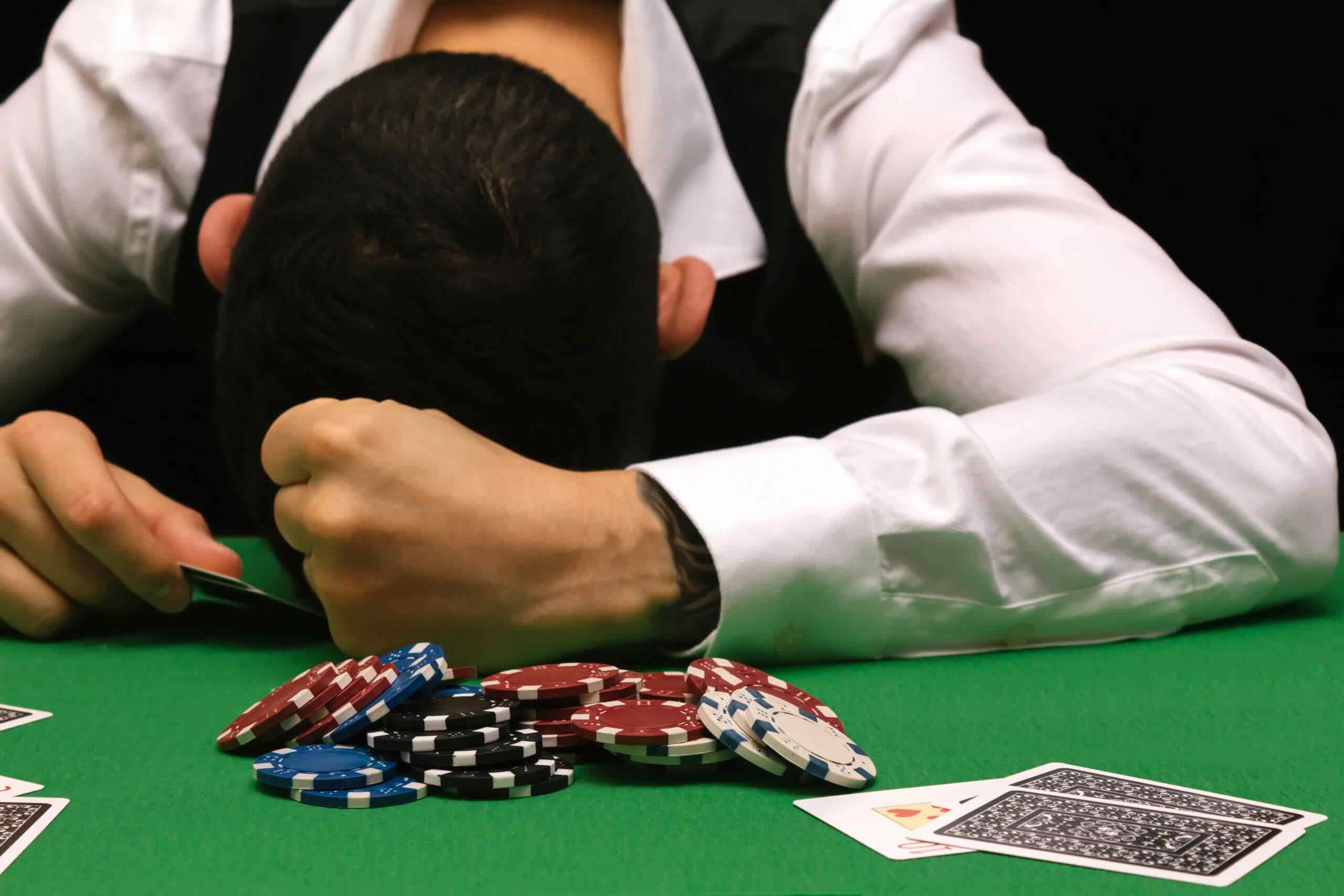
Moreover, the psychological impact of luck in gambling can profoundly influence players’ behaviors. A player who wins early on may develop a false sense of confidence, believing that luck will continue to favor them. This phenomenon can lead to prolonged play and, consequently, greater losses. In contrast, repeated losses can cause a player to feel unlucky, prompting them to chase losses in hopes of regaining their initial stake. Understanding this psychological dynamic is crucial for anyone engaged in gambling, as it can lead to both positive and negative outcomes.
However, the perception of luck can be misleading. Many gamblers fail to recognize that the concept of luck varies significantly across different games. While games like poker require a degree of skill, others are purely luck-based. This disparity can affect a player’s overall strategy and approach to gambling. Recognizing the interplay between luck and skill is essential for developing a more informed gambling strategy, ultimately impacting long-term success.
Understanding Skill in Gambling
Skill plays a vital role in several gambling games, particularly those that involve strategic decision-making, such as poker and blackjack. Unlike games purely based on luck, skilled players can employ strategies and techniques that enhance their chances of winning. Knowledge of the game rules, probabilities, and player psychology allows skilled gamblers to make more informed decisions, setting them apart from casual players who rely solely on chance.
Additionally, the importance of skill becomes evident in the long run. While a beginner may win a few games due to sheer luck, a seasoned player is more likely to maintain a consistent winning record over time. The ability to read opponents, calculate odds, and manage bankroll effectively are all critical components that distinguish successful gamblers. This emphasizes the need for players to invest time in honing their skills, as this can have a substantial impact on their overall success.
Moreover, the relationship between skill and luck is not mutually exclusive. Many successful gamblers acknowledge that while skill can significantly improve their odds, luck still plays a role in the short term. This awareness enables players to adopt a balanced approach, focusing on refining their skills while also recognizing that unpredictability is an inherent part of gambling. Understanding this interplay can empower gamblers to navigate the complex landscape of gambling more effectively.
The Psychological Impact of Gambling
The psychology of gambling profoundly influences player behavior and decision-making. Gamblers often exhibit cognitive biases, such as the illusion of control, where they believe they can influence random outcomes. This mindset can lead players to develop irrational strategies, such as betting patterns based on past wins or losses, despite the independent nature of each game round. Understanding these psychological factors is vital for recognizing the potential pitfalls associated with gambling.
Additionally, the thrill of gambling can create a euphoric state for many players, heightening the emotional stakes involved. This excitement can lead to impulsive betting and a tendency to overlook rational decision-making. As players chase the exhilarating highs of winning, they may become more susceptible to riskier behaviors, further complicating the relationship between luck and skill. Awareness of these psychological triggers can help gamblers make more informed choices.
Moreover, the social aspect of gambling can further influence behavior. Many players engage in gambling activities with friends or in social settings, amplifying the excitement and altering decision-making dynamics. This communal aspect can blur the lines between enjoyment and risk, making it essential for gamblers to remain vigilant about their psychological state. Understanding how psychology interplays with luck and skill can lead to healthier gambling habits and greater overall success.
The Influence of Pinco on Gambling Success
The emergence of online platforms like Pinco has transformed the gambling landscape, making it more accessible and engaging for players worldwide. These platforms often employ gamification techniques, enhancing user experience and promoting continued engagement. This evolution raises questions about the balance between luck and skill, as online environments frequently feature a wide range of games, each with varying levels of complexity and strategy. Understanding how Pinco integrates skill-based gaming can help players choose games that align with their strengths.
Furthermore, Pinco offers resources and tools designed to educate players about the nuances of different games. By providing tutorials and strategic guides, the platform empowers users to enhance their skills and develop effective strategies. This education can bridge the gap between luck and skill, allowing players to make informed decisions and improve their overall gambling experience. Such resources are crucial for individuals looking to achieve long-term success.
Moreover, the social interaction fostered by Pinco’s platform can significantly influence players’ gambling experiences. Engaging with a community of like-minded individuals allows players to share strategies, tips, and experiences, enhancing their understanding of the game dynamics. This exchange of knowledge reinforces the importance of skill, demonstrating that while luck remains a factor, informed players can leverage their skills for better outcomes, particularly in a digital environment.
Maximizing Your Experience on Pinco
To fully benefit from the offerings of platforms like Pinco, players must approach gambling with a well-rounded understanding of both luck and skill. Engaging with the educational resources provided can enhance gameplay, allowing users to develop strategies tailored to their strengths. This proactive approach fosters a more rewarding experience, shifting the focus from mere chance to informed decision-making. By recognizing the significance of skill, players can elevate their overall success in gambling.
Moreover, players should also prioritize responsible gambling practices. Setting limits, taking breaks, and maintaining a clear understanding of one’s financial boundaries are crucial elements to ensuring a positive gambling experience. By combining skill development with responsible gambling, players can enjoy the thrill of games while minimizing potential negative consequences associated with gambling.
Lastly, utilizing community features on Pinco can enhance the social aspect of gambling. Engaging with fellow players, sharing insights, and participating in discussions can create a supportive environment conducive to learning. The collaborative nature of these platforms reinforces the importance of skill while ensuring that players remain aware of the psychological impacts of gambling. By fostering a balanced perspective, users can maximize their experience on Pinco while striving for success.
 English