Understanding the psychological triggers that drive gambling behavior
The Nature of Gambling Addiction
Gambling addiction is often rooted in complex psychological mechanisms. Individuals who engage in gambling may experience an intense desire for excitement and the thrill of risk-taking. This craving can trigger a dopamine release in the brain, creating a pleasurable sensation that reinforces the behavior. The addictive cycle can be challenging to break, as the anticipation of winning can overshadow rational decision-making, leading individuals to wager more than they can afford. The online platform odinfortune offers various games that can intensify this excitement.

Moreover, the excitement associated with gambling can often lead to a temporary escape from everyday life. Many gamblers find solace in the action, believing that the next bet could lead to a significant change in their circumstances. This psychological escape can be particularly appealing for those facing stressors in their lives, making gambling a seemingly attractive option for relief, even if it may lead to adverse outcomes in the long run.
Compulsive gambling also tends to be linked with various mental health issues, including anxiety and depression. Those struggling with these conditions may turn to gambling as a coping mechanism, reinforcing their behavior despite the negative consequences. Understanding the interplay between mental health and gambling is crucial for identifying and addressing addiction, allowing for better-targeted interventions and support systems.
The Role of Cognitive Biases
Cognitive biases significantly influence how individuals perceive gambling. One common bias is the illusion of control, where gamblers believe they can influence the outcome of a game, despite it being purely chance-based. This illusion can lead to overconfidence and increased wagering, as individuals mistakenly believe that their skills or decisions can sway the odds in their favor.
Another prevalent cognitive bias in gambling is the gambler’s fallacy. This belief is the notion that past events can influence future outcomes, particularly in games of chance. For example, a player might think that after a series of losses, they are ‘due’ for a win, leading them to place additional bets. Such biases can cloud judgment and make it challenging for individuals to act rationally in their gambling activities.
Additionally, the framing effect plays a significant role in gambling behavior. How a situation is presented can affect decision-making. For instance, describing a game as having a high payout can increase the likelihood of participation, regardless of the actual odds. Understanding these cognitive biases allows for better awareness and potential strategies to mitigate their impact on gambling behavior, promoting healthier decision-making processes.
The Social Influences on Gambling
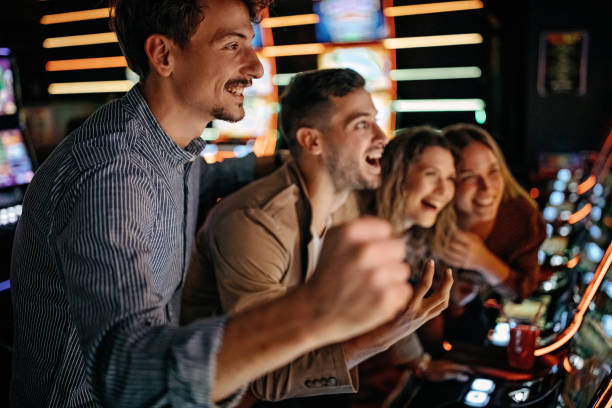
The social environment significantly influences gambling behavior. Social norms and peer pressure can heavily impact an individual’s willingness to engage in gambling. People often gamble in social settings, where the thrill of the game can be amplified by the presence of friends or family. This collective experience can lead to an increased likelihood of gambling, as the social aspect enhances enjoyment and excitement.
Moreover, advertisements and marketing tactics employed by gambling establishments play a crucial role in shaping perceptions about gambling. Promotions often glamorize the lifestyle associated with gambling, painting it as an exciting and lucrative endeavor. This portrayal can be enticing, particularly for individuals already susceptible to the psychological triggers of gambling, further driving participation.
Additionally, cultural attitudes towards gambling can shape individual behavior. In societies where gambling is normalized or viewed positively, individuals may be more inclined to participate. Conversely, in cultures where gambling is frowned upon, individuals might experience guilt or shame when gambling, affecting their engagement. Understanding these social dynamics can provide insight into the broader context of gambling behavior, facilitating more effective prevention strategies.
Marketing and Gambling Platforms
Marketing strategies employed by gambling platforms are specifically designed to appeal to psychological triggers. Online casinos and sports betting sites often utilize sophisticated algorithms to tailor their advertising to individuals, enhancing the likelihood of engagement. By understanding user behavior, these platforms can create personalized experiences that resonate with potential gamblers, making the appeal of gambling more enticing.
Furthermore, the integration of gamification elements in online gambling creates an immersive experience. Features such as leaderboards, rewards systems, and progress tracking engage users and foster a sense of achievement, which can further entrench gambling behavior. These techniques are strategically implemented to keep players engaged, often leading to prolonged sessions that can exacerbate issues related to addiction.
The availability of various payment options, including cryptocurrencies, further lowers the barriers to entry for gambling. Instant transactions and anonymity make it easier for individuals to engage in gambling without considering the financial repercussions fully. This ease of access combined with targeted marketing makes it imperative for individuals to be aware of their behaviors and the potential for addiction in the online gambling landscape.
Odin Fortune Casino: A Safe Gambling Experience
Odin Fortune Casino exemplifies the balance between offering an exciting gaming experience and promoting responsible gambling. By featuring over 4,000 games and a comprehensive sportsbook, the platform appeals to a wide audience while ensuring that it supports responsible gaming practices. The generous welcome bonus and ongoing promotions can attract new players, but it’s essential for the casino to educate users about safe gambling habits.
The casino prioritizes player safety and security by implementing robust security measures and providing resources for responsible gambling. By offering tools such as self-exclusion and setting deposit limits, Odin Fortune Casino encourages players to take control of their gambling habits. This proactive approach promotes a healthier gaming environment that prioritizes the well-being of its players while still providing entertainment.
As gambling continues to grow in popularity, understanding the psychological triggers that drive behavior is critical for both players and platforms alike. Odin Fortune Casino represents a commitment to fostering an enjoyable and responsible gaming atmosphere, ensuring that players can engage with the thrill of gambling while keeping their mental health and finances in check.
 English